
Anxiety and Hormones: Understanding the Root Causes and Symptoms in Men and Women
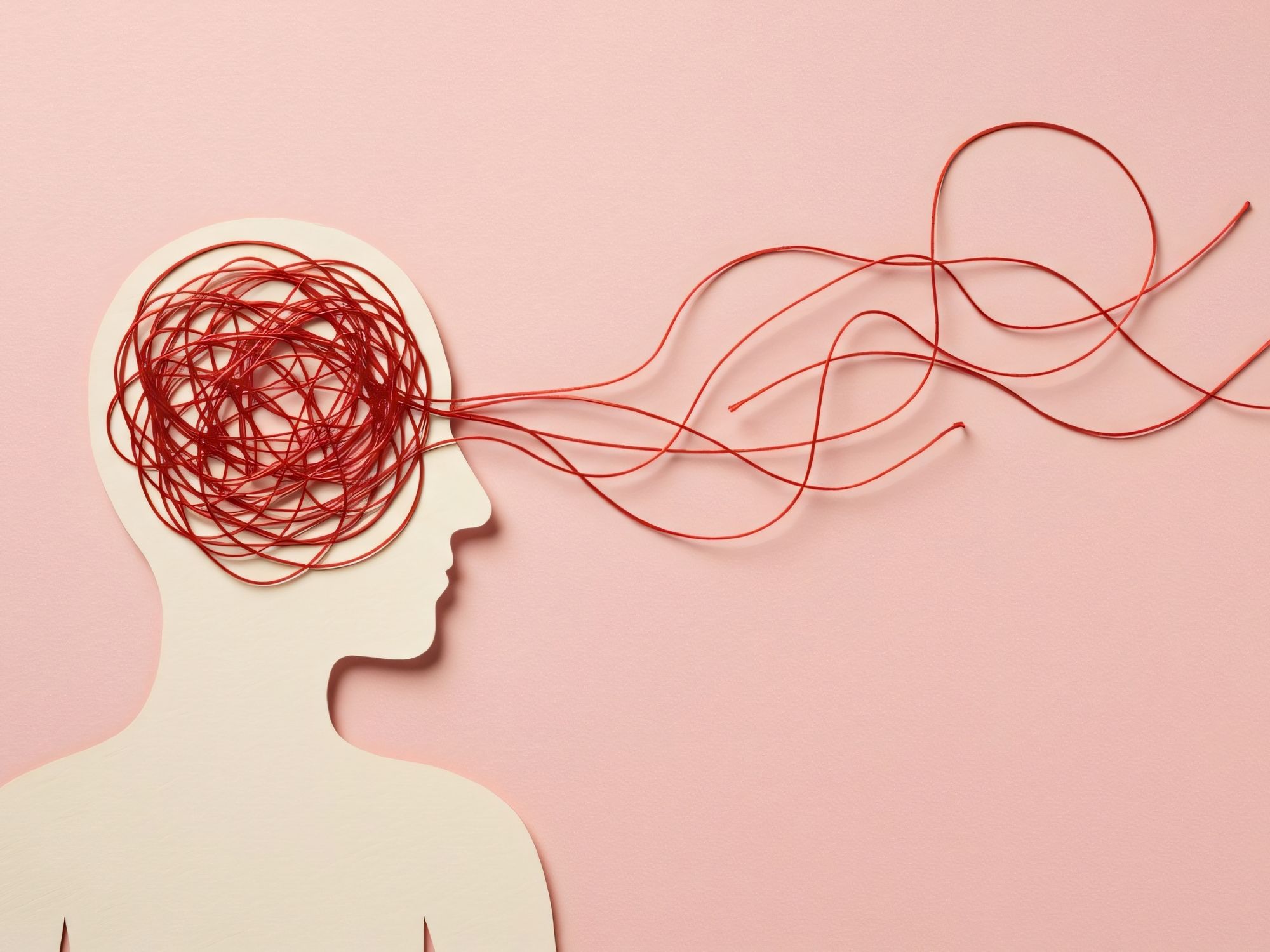
Hormonal anxiety refers to anxiety symptoms that arise from imbalances or fluctuations in endocrine signals rather than, or in addition to, primary psychiatric disorders. This article explains how core hormones such as estrogen, progesterone, testosterone, cortisol, and thyroid hormones influence neurotransmitters like serotonin, GABA, and dopamine, producing anxiety or anxiety-like states in both men and women.
Readers will learn to recognize patterns that suggest a hormonal driver, which tests clinicians commonly use, and which evidence-based treatments and lifestyle strategies reduce hormone-linked anxiety. The guide maps life-stage triggers (puberty, menstrual cycle, pregnancy/postpartum, perimenopause/andropause) and offers practical diagnostic and management steps you can discuss with your clinician. Throughout, the content emphasizes mechanisms (how hormones act on neural circuits), clinical clues (temporal patterns and somatic signs), and actionable interventions (medical and behavioral) so you can identify when hormonal evaluation is appropriate and what to expect from treatment.
What Are the Key Hormones That Influence Anxiety?
Hormones influence anxiety by altering neurotransmitter systems, neural circuit excitability, and stress-axis feedback; understanding each hormone clarifies how specific imbalances raise anxiety risk. The hypothalamic–pituitary–adrenal (HPA), hypothalamic–pituitary–gonadal (HPG/HPO), and hypothalamic–pituitary–thyroid (HPT) axes mediate these effects, with downstream changes in serotonin, GABA, and catecholamine signaling that modify mood and arousal. Identifying which endocrine axis is involved helps tailor testing and treatment, because each hormone produces recognizable symptom clusters and physiological effects that clinicians can assess.
Key Hormones That Commonly Influence Anxiety
- Estrogen — Modulates serotonin synthesis and receptor sensitivity, so fluctuating levels can destabilize mood and increase anxiety.
- Progesterone (and metabolites) — Metabolized to allopregnanolone which enhances GABAergic calming; abrupt drops can provoke anxiety or panic.
- Testosterone — Supports dopamine and GABA tone in men; low levels associate with irritability, low motivation, and increased anxiety.
- Cortisol — Central stress hormone from HPA axis; chronic elevation or dysregulation impairs emotional regulation and promotes persistent anxiety.
- Thyroid hormones (T3/T4) — Alter metabolic rate and catecholamine sensitivity; hyperthyroidism commonly causes nervousness while hypothyroidism can include anxiety or cognitive slowing.
How Do Estrogen and Progesterone Affect Anxiety in Women?
Estrogen and progesterone affect anxiety by directly modulating neurotransmitter systems and altering brain regions involved in emotion regulation, creating predictable symptom patterns across the menstrual cycle, pregnancy, and menopause. Estrogen typically increases serotonin synthesis and receptor sensitivity while promoting neuroplasticity in the hippocampus and prefrontal cortex; when estrogen falls or fluctuates rapidly, serotonin-mediated mood stability weakens and anxiety can increase.
Progesterone is converted in the brain to allopregnanolone, a neuroactive steroid that enhances GABAergic inhibition and produces calming effects; paradoxically, rapid declines in progesterone or dysregulated metabolite signaling (as in PMDD) can precipitate marked anxiety and panic. Clinical examples include premenstrual worsening of anxiety, anxiety spikes during perimenopause as ovarian hormone production becomes erratic, and postpartum anxiety related to abrupt hormone shifts; these life-stage patterns help distinguish hormonal anxiety from primary anxiety disorders and guide timing for hormone testing and targeted interventions.
What Is the Role of Testosterone in Male Anxiety and Mood Regulation?
Testosterone influences male mood and anxiety through modulation of dopamine, GABA, and stress reactivity, so age-related decline or pathologic hypogonadism can present as increased anxiety and irritability. Physiologically, testosterone supports reward and motivation circuits via dopaminergic signaling and helps buffer stress responses; aromatization of testosterone to estradiol in the brain also contributes to mood regulation, creating complex interactions.
Clinically, men with low testosterone may report heightened anxiety, reduced stress tolerance, fatigue, and cognitive slowing, which overlap with depressive symptoms and can be misattributed solely to psychiatric causes. Assessing testosterone levels in symptomatic men, especially when symptoms coincide with low energy, libido loss, or metabolic changes, can reveal a reversible driver; treatment decisions should weigh benefits against risks and consider combined approaches with psychotherapy when appropriate.
How Does Cortisol Connect Stress and Anxiety Through Hormonal Imbalance?
Cortisol connects stress and anxiety by acting as the primary effector of the HPA axis, mobilizing resources during acute threat but promoting maladaptive neural plasticity and hypervigilance when chronically elevated or dysregulated. Acute cortisol release enhances memory consolidation and mobilizes glucose, supporting short-term coping, but persistent elevation alters hippocampal and amygdala function, impairs prefrontal regulation, and increases inflammation, which together sustain anxious mood and cognitive symptoms.
Dysregulated diurnal rhythms, such as a flattened morning peak or elevated evening cortisol, correlate with sleep disruption, irritability, and persistent worry, making cortisol rhythms a useful clinical target when anxiety reports include chronic stress exposure. Understanding cortisol dynamics guides both diagnostic testing and interventions that directly target stress systems.
What Is Cortisol's Function and Its Effect on Anxiety Levels?
Cortisol functions as an adaptive hormone that enables acute stress responses by increasing blood glucose, suppressing nonessential processes, and altering immune signaling; however, sustained elevation undermines emotional regulation and heightens anxiety. Elevated cortisol increases amygdala reactivity and impairs prefrontal cortex control over fear responses, producing higher baseline arousal and difficulty extinguishing anxious memories.
Clinically, patients with chronic stress often report sleep problems, concentration difficulties, and persistent worry that track with cortisol dysregulation rather than isolated panic attacks. Addressing cortisol-driven anxiety typically combines circadian-aligned sleep routines, stress-reduction interventions, and, where appropriate, medical evaluation for conditions that produce endocrine overactivity.
How Do Adrenaline and Other Stress Hormones Influence Anxiety?
Adrenaline (epinephrine) and noradrenaline are catecholamines released during sympathetic activation that generate the immediate physical sensations of anxiety—palpitations, tremor, sweating—and can trigger panic in susceptible individuals. These hormones rapidly increase heart rate, blood pressure, and alertness via direct action on adrenergic receptors, producing sensations that are often interpreted as danger and thereby amplify cognitive anxiety through feedback loops.
Repeated sympathetic surges, especially when paired with chronically dysregulated cortisol, sensitize fear circuitry and make benign bodily cues more likely to trigger panic or generalized worry. Interventions such as paced breathing, interoceptive exposure in CBT, and lifestyle measures that reduce sympathetic tone (regular aerobic exercise, adequate sleep) effectively dampen catecholamine-driven symptoms and restore a calmer baseline.
How Do Thyroid Hormones Impact Anxiety Symptoms in Men and Women?
Thyroid hormones (T3 and T4) influence anxiety by modulating metabolic rate and catecholamine sensitivity in the central and peripheral nervous systems, so both hyperthyroid and hypothyroid states can produce anxiety-related symptoms through different mechanisms. In hyperthyroidism, excess thyroid hormone increases adrenergic receptor sensitivity, causing nervousness, tremor, palpitations, and insomnia that resemble primary anxiety disorders but have clear physiologic correlates.
In hypothyroidism, slowed cognition, fatigue, and depressive symptoms dominate, yet some patients experience heightened worry or panic-like episodes possibly due to altered neurotransmitter regulation and poor stress resilience. Clinical distinction relies on history, physical signs (e.g., weight change, thermoregulatory changes), and first-line labs (TSH, free T4), because correcting thyroid dysfunction often reduces or resolves anxiety symptoms that were secondary to endocrine imbalance.
What Are the Anxiety Symptoms of Hypothyroidism and Hyperthyroidism?
Hyperthyroidism commonly produces symptoms that mimic anxiety: persistent nervousness, tremor, palpitations, excessive sweating, and insomnia, often with noticeable weight loss and heat intolerance. These somatic signs, combined with elevated heart rate and hyperreflexia, suggest increased catecholamine sensitivity rather than a primary anxiety disorder, and lab confirmation typically reveals suppressed TSH and elevated free T4 or T3.
Hypothyroidism usually presents with fatigue, slowed thinking, weight gain, and cold intolerance, but some patients report increased worry or panic-like episodes secondary to cognitive strain and reduced stress tolerance. Careful clinical history and routine thyroid function tests help differentiate thyroid-driven anxiety from primary anxiety disorders and guide effective endocrine treatment that can reduce psychological symptoms.
How Can Thyroid Hormone Imbalance Be Diagnosed and Managed?
Thyroid imbalance is diagnosed primarily with serum TSH as the initial screening test, followed by free T4 and T3 measurements for clarification, and antibody testing when autoimmune thyroid disease is suspected. Management depends on the direction of imbalance: levothyroxine replacement for hypothyroidism typically improves energy, cognition, and mood over weeks to months, while antithyroid medications (such as methimazole or propylthiouracil), beta-blockers, or definitive therapies manage hyperthyroidism and reduce adrenergic symptoms.
Monitoring and dose adjustments are essential because both undertreatment and overtreatment can perpetuate anxiety or mood disturbances; referral to endocrinology is appropriate for complex cases or persistent symptoms despite biochemical correction. Integrating psychiatric care is helpful when anxiety persists after thyroid normalization, ensuring a comprehensive approach to recovery.
What Are the Common Symptoms and Signs of Hormonal Anxiety?
Hormonal anxiety manifests with psychological, cognitive, and physical symptoms that often follow temporal patterns or coincide with life-stage events, making pattern recognition crucial for diagnosis. Psychological symptoms include pervasive worry, heightened irritability, and panic attacks; cognitive changes often involve concentration difficulties and memory lapses; physical signs include palpitations, tremor, sleep disruption, and changes in appetite or weight.
Temporal patterns—such as cyclical worsening before menses, perimenopausal onset, or postpartum emergence—strongly suggest endocrine involvement, whereas non-patterned, lifelong anxiety more commonly indicates a primary anxiety disorder.
Clinical Clues That Indicate Hormonal Involvement
- Cyclical or life-stage–linked timing of symptoms.
- Somatic signs such as palpitations, tremor, or significant sleep disruption.
- Concurrent reproductive or metabolic symptoms (irregular menses, low libido, weight change).
- New or worsening anxiety that follows pregnancy, perimenopause, or a major illness.
How Is Hormonal Anxiety Diagnosed and What Tests Are Used?
Diagnosing hormonal anxiety begins with clinical suspicion based on temporal patterns and associated physical signs, then proceeds to targeted laboratory testing tailored to the suspected axis. Initial evaluation commonly includes TSH and free T4 for thyroid function, morning serum cortisol or salivary diurnal profiles for HPA assessment, and sex hormone panels (estradiol, progesterone, testosterone) timed to menstrual cycle phase when relevant.
Tests have limitations—single measurements may miss dynamic dysregulation—so clinicians sometimes use timed sampling, repeat testing, or dynamic stimulation/suppression tests for adrenal disorders; integrating clinical context is essential for interpretation.
What Hormone Tests Help Identify Anxiety-Related Imbalances?
The most useful initial tests for anxiety-related hormonal imbalances are straightforward screening labs: TSH and free T4 for thyroid, morning cortisol or diurnal salivary cortisol for adrenal concerns, and sex hormone panels timed appropriately for reproductive-cycle–linked symptoms. Timing matters: for menstrual-cycle–related anxiety, measuring progesterone in the mid-luteal phase clarifies whether luteal insufficiency could explain symptoms; for testosterone, morning measurements capture peak levels.
Dynamic testing (e.g., ACTH stimulation, dexamethasone suppression) is reserved for when initial screens suggest adrenal pathology or when clinical suspicion for Cushingoid physiology exists. Interpreting tests in clinical context avoids false reassurance from single values and guides whether endocrine therapy or referral is appropriate.
When Should You Seek Professional Evaluation for Hormonal Anxiety?
Seek professional evaluation when anxiety is new, severe, disabling, accompanied by physical signs (significant weight change, palpitations, menstrual irregularities), or when standard anxiety treatments fail to produce improvement. If symptoms follow a clear cycle, life-stage event (pregnancy/postpartum, perimenopause), or coincide with metabolic changes, mention these patterns to your clinician as they direct specific hormone testing.
Urgent evaluation is warranted for severe autonomic symptoms, marked weight loss or gain, or if mood symptoms co-occur with cognitive decline or suicidal thoughts. Early evaluation can identify reversible endocrine causes and allow integrated care with endocrinology and mental health specialists when needed.
What Are the Effective Treatment and Lifestyle Strategies for Hormonal Anxiety?
Effective treatment of hormonal anxiety blends targeted medical approaches to correct endocrine imbalances with psychotherapeutic and lifestyle strategies that modify neurotransmitter function and stress reactivity. Medical options include hormone-specific treatments: thyroid hormone replacement for hypothyroidism, antithyroid therapy or beta-blockers for hyperthyroid adrenergic symptoms, estrogen/progesterone management or menopausal HRT for perimenopausal anxiety, and testosterone replacement for symptomatic men with confirmed low levels.
These can be paired with standard pharmacotherapy (SSRIs/SNRIs) when anxiety is severe or persists despite endocrine correction. Nonpharmacologic strategies such as cognitive behavioral therapy (CBT), mindfulness-based stress reduction, and graded exercise decrease HPA activation and improve symptom resilience, making combined treatment approaches particularly effective.
Medical and Non-Medical Treatment Options
- Endocrine-directed therapy: Replace or suppress specific hormones based on testing and clinical context to remove the physiologic driver of anxiety.
- Psychotropic medications: SSRIs or SNRIs address core anxiety symptoms and can be combined with hormonal treatment when necessary.
- Psychotherapy and stress-reduction: CBT and mindfulness reduce maladaptive cognitive patterns and HPA axis overactivation.
- Lifestyle and nutritional interventions: Sleep regularity, exercise, anti-inflammatory diet, and targeted nutrients support hormonal balance.
How Do Hormone Replacement Therapy and Medications Help Manage Anxiety?
Hormone replacement or suppression addresses the root endocrine disturbance that provokes anxiety in many patients, and when appropriately indicated it often reduces or resolves anxiety symptoms by restoring physiologic signaling. For example, levothyroxine corrects hypothyroid-related cognitive slowing and mood changes, while carefully monitored estrogen therapy can reduce perimenopausal anxiety driven by erratic ovarian hormones; testosterone replacement can improve mood and reduce anxiety in men with confirmed deficiency.
Psychotropic medications such as SSRIs remain valuable for immediate symptom relief or when anxiety persists despite endocrine correction, and they may be necessary during the period required for hormonal therapies to take effect. Decisions about hormone therapy require individualized risk–benefit assessment and monitoring, and combining endocrine treatment with psychotherapy tends to yield the best functional outcomes.
What Lifestyle Changes and Therapies Support Hormonal Balance and Anxiety Relief?
Lifestyle changes that target circadian regulation, metabolic health, and stress resilience support hormone homeostasis and materially reduce anxiety burden over time. Prioritize consistent sleep timing to normalize cortisol rhythms, combine aerobic and resistance exercise to support testosterone and mood, and follow a balanced, low-inflammatory diet with adequate protein and healthy fats to stabilize blood sugar and support hormone synthesis.
Targeted nutrients (omega-3 fatty acids, vitamin D, magnesium) can support neurotransmitter function and endocrine health, while evidence-based stress-reduction practices (mindfulness, paced breathing, CBT techniques) directly reduce sympathetic and HPA activation. Implementing a weekly routine that includes 150 minutes of moderate exercise, sleep schedule regularity, and daily stress-management practices produces measurable improvements in hormone-related anxiety and complements any medical treatments.
Key Weekly Plan Elements
- Consistent sleep window of 7–9 hours nightly and morning light exposure.
- Three exercise sessions per week combining strength and aerobic activity.
- Daily 10–20 minute mindfulness or breathing practice to downregulate the HPA axis.
Adoption of these habits supports endocrine therapy outcomes, reduces recurrence risk, and improves overall mental health functioning, completing the integrated approach to hormonal anxiety described throughout this guide.
Listen to the Full Episode
Want to hear more? Listen to the complete discussion on our Rev Up Health podcast.
Listen to Podcast